
A plain walkthrough of the work a ship agent handles on a Nassau port call — inward and outward clearance, disbursement handling, and crew logistics — from CLX, the sole Antillean Line agent for The Bahamas.
 CLX Logistics DeskFeb 25, 20264 min read181 views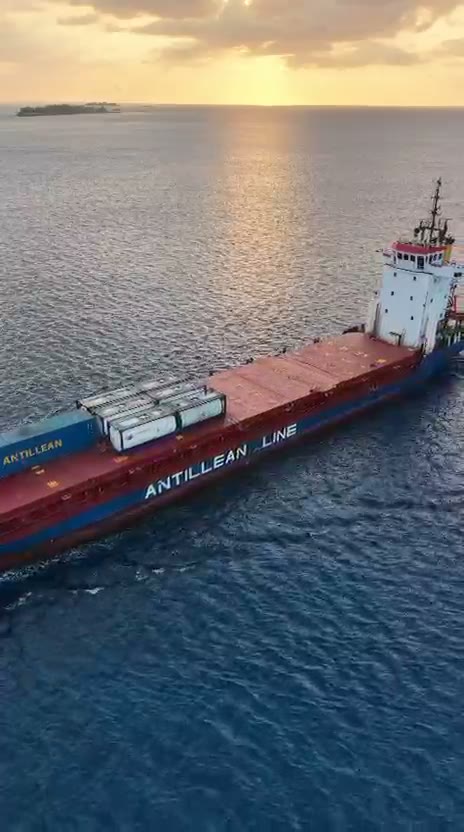
When a vessel calls Nassau, a lot happens before the lines are even ashore — and almost none of it is done by the ship's crew. That coordination is the ship agent's job. The agent is your feet on the ground at the port: filing paperwork with Customs, dealing with the terminal, settling third-party charges, and getting whatever the vessel needs sorted while she's alongside. CLX Logistics Bahamas is the sole Antillean Line ship agent for The Bahamas, and we also attend one-off and project vessel calls where we're appointed. Here's what actually happens when we take an appointment — and what it costs.
Before Arrival: Clearance and Documentation
The agent's work starts before the vessel is in sight. We file inward clearance with Customs and the port so the ship is cleared to work cargo on arrival, and we handle outward clearance again before she sails. On a routine liner call, that documentation filing is built into the agency fee — there's no separate line for inward/outward clearance on standard Antillean and partner-liner work. The routine liner vessel call runs a flat $850 per call under the contract rate. A one-off or tramp vessel call — where there's no standing agreement in place — is quoted per call, typically $2,500 to $4,500 depending on vessel size and scope, since each one carries its own documentation and coordination load.
On the Day: Attending the Call and Handling Disbursements
Once the vessel is alongside, the agent is the point of contact for the terminal, Customs, and the carrier. A big part of that is money. Ports, government agencies, and third parties all raise their own charges, and someone has to advance and settle them so the ship isn't held up. We handle those on a Cash on Disbursement basis at 2% of the disbursements — a straightforward handling fee on top of the actual port and government charges, which pass through at cost. A few things that commonly come up on a Nassau call:
- Port and government charges — passed through at cost, with a 2% COD handling fee
- Vessel standby beyond 24 hours — $200/day where a berth or anchor delay stretches the call past schedule
- Reefer plug-in — $70/day after the first free day, if refrigerated boxes are working
- Hazardous cargo placard fee — $75 per IMO class declared
Crew and Husbandry: Looking After the Ship
Beyond cargo and clearance, a call often involves the crew and the vessel herself. Husbandry covers the practical side — crew changes, provisions, technical parts, and bunker coordination. We arrange these on a cost-plus-15% basis, so you pay the real cost of the service plus our coordination margin, with nothing marked up on the underlying supplier. When a crew member has to be signed off and sent home, crew repatriation assistance is $350 per event, with airfare, hotel, and ground transport billed at cost plus 10%. Keeping these itemized and transparent matters — husbandry is where surprise costs creep in on a badly run call, and pass-through-at-cost pricing keeps it honest.
When It's Not a Routine Call
Not every vessel that calls Nassau is a container liner on a schedule. Charter and project vessels — heavy lift, oil and gas support, government cargo — carry a different level of coordination, permitting, and risk, and they're priced separately. A project or charter vessel call runs $4,500 to $8,500, quoted per call against the actual scope of the work. This is where being a Bahamian operator counts: project and government work brings compliance overhead — audit, sanctions screening, permit coordination across multiple agencies — and it moves faster when your agent already knows the port, the terminal, and the government offices involved rather than learning them on your call.
That's the shape of a Nassau port call from the agent's side: clear the ship in, work the cargo, settle the charges, look after the crew, and clear her back out. If you have a vessel calling Nassau — liner, tramp, or project — reach us at documents@clxnow.com or (242) 605-0452 and we'll scope the call before she arrives, not after.